The end of the first week

I spent the last day of my first week in just the labyrinth I swore I’d avoid: getting things to work on Linux. I’m determined not to buy another laptop when we already have three old ones, and I’m being careful with money. So I squandered the entire day installing different flavours of Linux on the most recent old laptop, which is about seven years old, and then seeing if videos and image editors worked on it.

I compared it to the other old laptops, and curiously the laptop from 2006 with Linux runs the same speed as the laptop from 2017 with Windows. It’s true, it’s a lightweight version of Linux (Emmabuntüs), but I also tried Linux Lite on the 2017 machine, and it’s not a lot faster than Windows. It’s quieter, though, because the hard disk isn’t continuously whirring. The configuration of the computer must be poor. It’s a touchscreen, so maybe that hoovers up memory.

Late at night, I concluded that no Linux distro will make a Windows machine a fast computer. It will lift it from being unusably slow to adequate, and that’s all. It will be adequate for web browsing and text editing, but not for image or video editing.

I also concluded that I need to do image editing on a large screen, and a 14-inch laptop screen is too small. So I’ll use the latest laptop as a notebook. It’s the most convenient to take to a library because it’s the lightest. I’m not sure how well it will work for coding, like for creating a website with Next.js or Astro. I’ll try it out, keeping low expectations and resolving definitely not to go into any labyrinths.
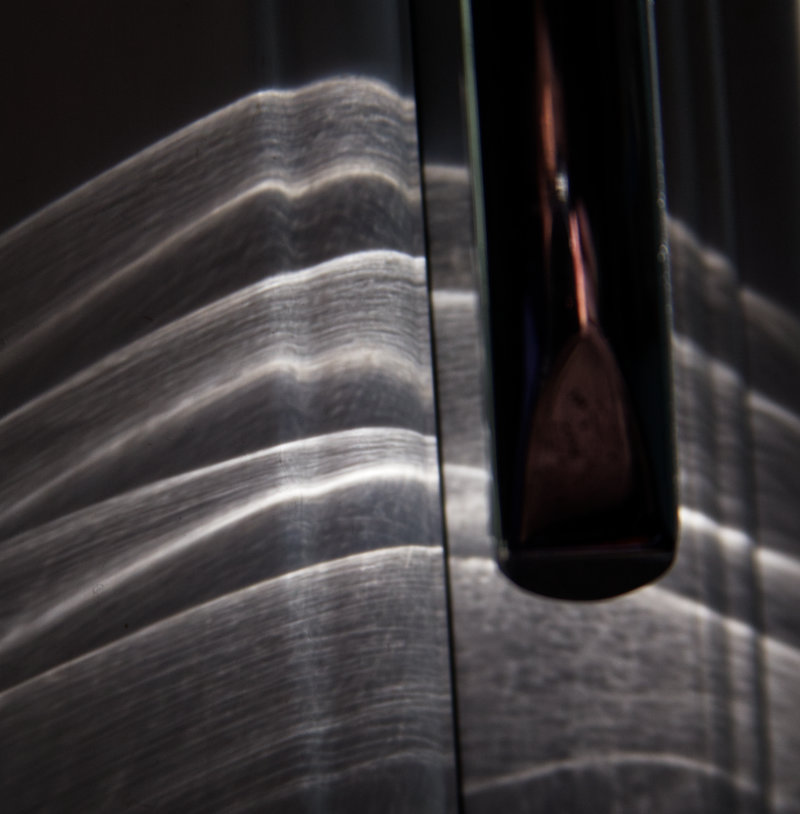
Just one photo today: the light reflected from the inside of a window handle

So anyway, it’s time for a review of the week. I deliberately didn’t set any goals for last week – I wanted to see what I naturally drifted towards, given the time. That makes it more difficult to assess how I’ve done, but I’ll have a go:

Things that went well

  • The Job Centre visit. This was a triumph, and the most significant event of the week. It means that I’m not under pressure to look for a job.
  • I started this diary site, and have kept it up. I never planned to make the site. The idea came to me last Saturday, and I think it’s a good idea. It will help me think through what I’m doing with my time.
  • I didn’t waste time. I felt motivated all week, and never found myself staring idly in to space and drifting about, not knowing what to do. In fact, I had the opposite problem (see “Things that went okay”).
  • I did an audit of my current sites and decided the next steps for each one.
  • I created a day bag, of all the things I need to explore the world, like a notebook, camera and sketchbook.
  • I started my printmaking course.
  • I took lots of photos. I also bought a new tripod, which is fabulous and opens up new possibilities, and I learned how to control my camera from my phone.
  • I learned about the Zettelkasten note-taking system. This could be handy in the coming months.

Things that went okay

  • Health. I ate reasonably well and went for two runs, but I missed a run yesterday and on Friday, and I didn’t do any strength exercises. I need to prioritise health more, because sometimes I had eye strain and burn-out from sitting too long at a screen.
  • Guitar. I stopped practising as the week went on.

Things that went badly

  • Drawing and painting. I didn’t do any.
  • My thought book. I haven’t started it yet. I need to create the website first, so that’s something for this week.

So for the coming week I need to:

  • Do cardiovascular and strength exercise every day, to keep fit and prevent burn-out.
  • Get my current websites complete enough so I can create content for them, especially the thought book site.
  • Carry on travelling to places, and taking notes and photos of them.
  • Keep this diary up.
  • Do some drawing. I’m not sure what the block is here. It may be that I’m scared my drawings won’t be any good, or that it takes time to draw and I haven’t slowed down enough yet. I’m thinking, “A drawing? That’ll take too long! I’ve got too much to do!” Let’s see if I can make time.
  • Carry on with domestic jobs, like tidying the garden and going to the tip. I don’t talk about these much, but they’re important to keep a sense of momentum and achievement. Of course, they mean you’re contributing to the family, but even if they weren’t, they provide a visual achievement. Unlike these more cerebral activities, they’re visible as you walk around the house or garden, and make your life feel less cluttered.

So overall I’d say it was a preparation week, and I think this one will be as well, but with more time than last week to spend on creating.

Vexing computers and a peaceful churchyard

I’ve been trying to install Linux on an old Windows laptop, which is running too slow. I was hoping Linux would speed it up, because I need a laptop to work in the library, and I refuse to buy one. It’s such a waste when a computer is unusable after five years.

I tried Linux Mint, but the sound didn’t work. Linux is horrendous for drivers. If a driver doesn’t work, you have to stop there. If you start searching for how to get it to work then you enter a frustrating and time-devouring labyrinth, going one forum to the next, and one article to the other, with people pointing you in different directions saying, “It’s simple. You just do this”. But each way is a dead end. You have to be kind to yourself, and choose another Linux distro. I did, and it didn’t even boot. I’ll have to use the slow Windows for now.

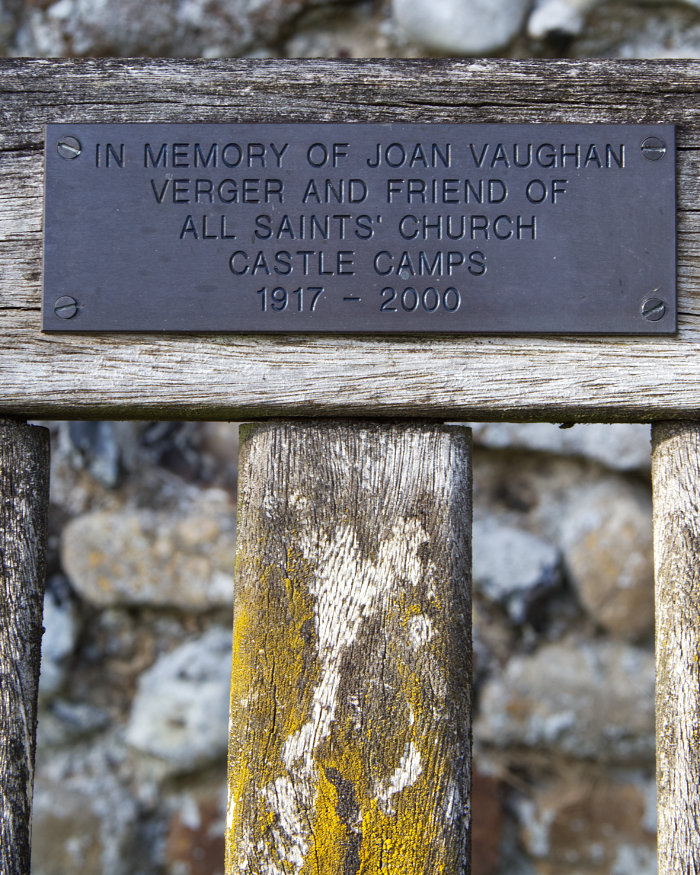
In the late afternoon, I drove up to Castle Camps church. I like it up there – it’s quiet and isolated. The church is down a singe track lane outside the village, on a hill that was an iron-age fort.

I arrived too late to go inside the church, but the bench outside was in the sunlight, so I plonked myself on that. I looked idly around the churchyard: the low sunlight streaked through the gravestones, and a thistle seed eddied through the air and snagged on the grass. I closed my eyes to enjoy the warmth on my face, and found myself listening for cars. I couldn’t hear any, just the leaves muttering, and the cheeps and chatters of birds. I began to doze off.

I was stirred awake by an aeroplane above. The church must be on the flight path to Stansted, because the sky was streaked with vapour trails, most of which had spread into long thin clouds. The aeroplane rumbled into the distance, the sound swelling and fading as it vanished behind a tall tree by the churchyard wall. For a while, I watched the tree swish in the breeze and then, from inside it came “Hoo hoo! Hoo hoo!” An owl at quarter past five in the afternoon. The bench was out of the sun now, and it was time to go home.

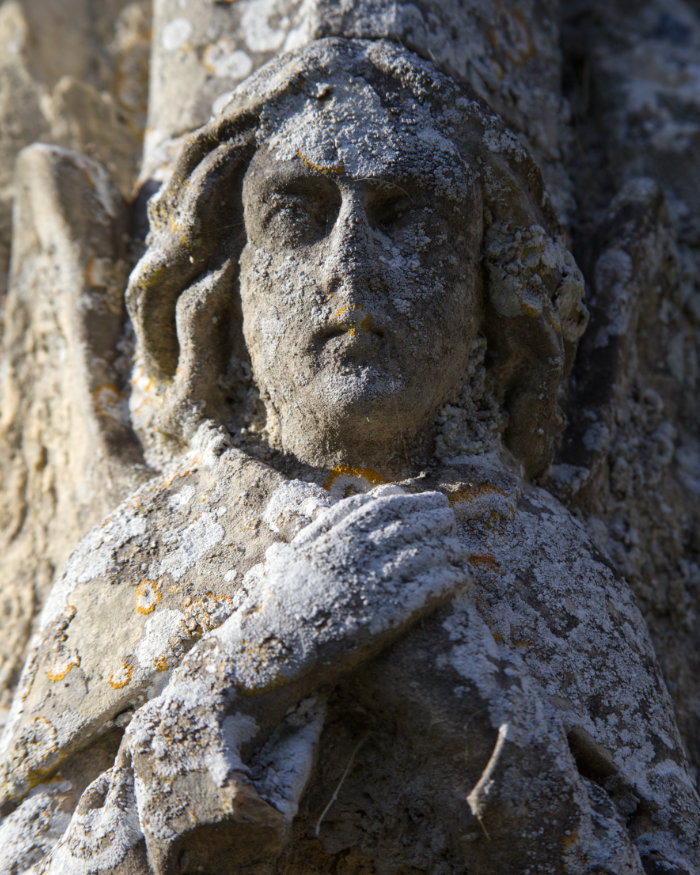
Here are some photos of the outside. Not thrilling pictures, I’m afraid, but just a bit of practice.

Pictures and websites

I drove one of my daughters to the next village to catch the school bus, and then parked and walked around. I’ve never done that before. I’ve always rushed straight back to get on with work.

When I drove into the village, I notice there were some interesting shapes on the church walls: angular shadows cast by the buttresses. So I took my camera and set off there. A woman came out of the house in front of me. She was tall and slender, with her white hair tied in a bun. She wore green wellies and pulled a shopping trolley. Where would someone be going with green wellies and a shopping trolley? They’re for two different terrains. I followed her to the church, where she turned in and went up to the church door. Perhaps she had decorations for the Harvest Festival.

I don’t like to disturb people in churches, so I started walking around the edge of the churchyard instead. Then I saw a man in the corner of the churchyard bobbing up and down from behind the gravestones. Maybe he was digging a grave. He looked red-faced enough, but he was also too old to dig graves. Perhaps he was just tidying a grave. Either way, I turned back. I like to be alone in these places, so I feel less-self-conscious.

So there we are: 8:30 on a sunny September morning in a churchyard. These are people whose lives I know nothing about, and would never have noticed if I was working.

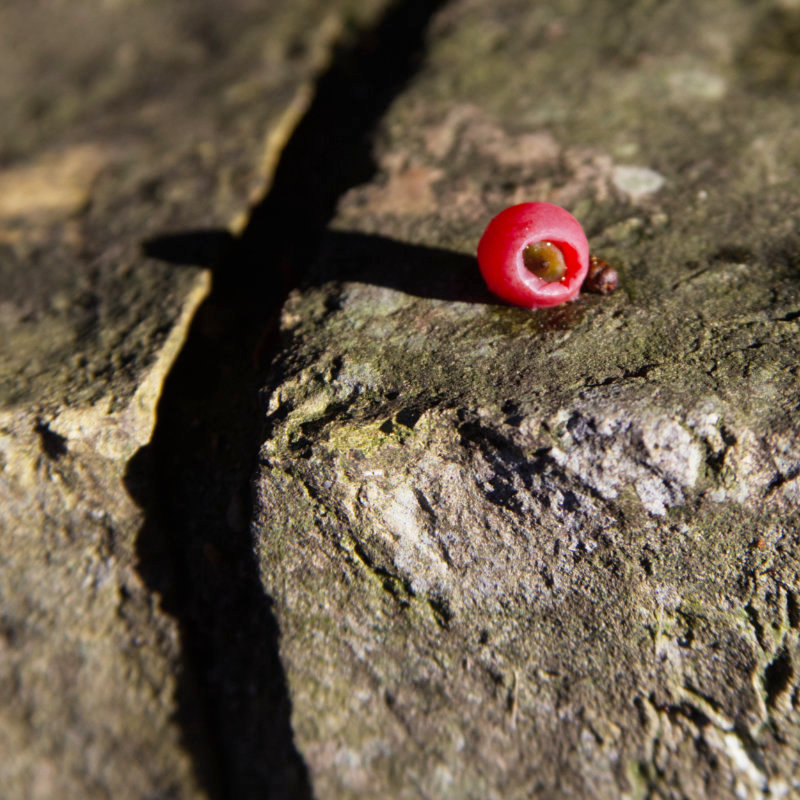
A yew berry this morning

Some yew berries had fallen on the church wall, and reminded me of an incident from when I was a child, about 8 years old. My mum took us to church each Sunday, and after the service people lingered outside the porch to chatter. My mum must have been talking to someone, because in a moment of idleness I picked up a yew berry and lobbed it into a jar on a grave. An old woman snapped at me. I don’t remember what she said, something like, “Someone is buried under there, show some respect!” It’s odd how I don’t remember her appearance – perhaps just a big coat and pointy glasses – but I remember her intent. I knew she was venomous and wanted to hurt.

One of my goals these six months is to make some websites. This afternoon I did and audit of the sites I have. I’ve decided to make seven, including this one, each using a different technology.

I was sitting in the garden this afternoon, looking up at our tall fir tree, when I saw two white butterflies high in the sky above. I’ve never seen butterflies so high. They were scuttering round and round each other, touching and recoiling, round and round whilst drifting across against the blue sky.

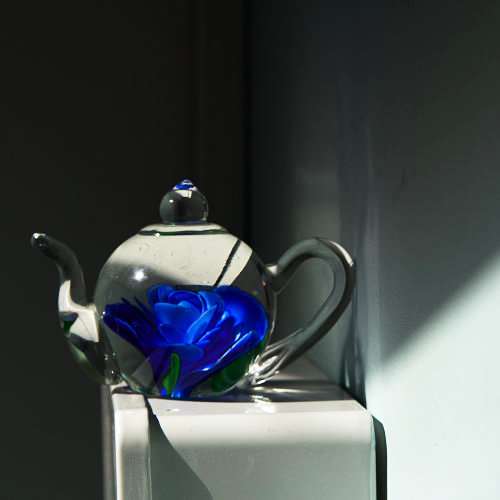
I said yesterday that today I’d take photographs of things that I’d otherwise pass by. So here we are, the photos I wouldn’t have bothered with today:

A hailstorm and more cabbage

I can’t believe how little time I’ve got, even without working. I used to keep a spreadsheet of how I spent my time. I’ll have to do that now because I don’t know what’s happening to it. I’ll do a review of the week on Sunday, and see where I am.

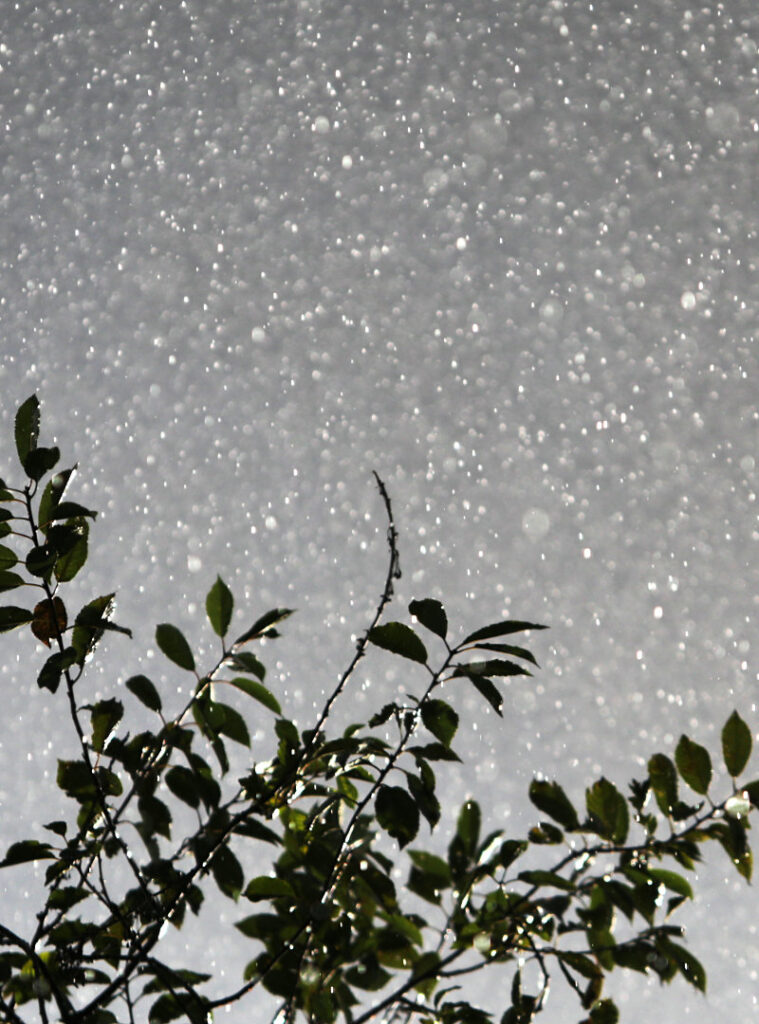
Today a dark cloud arose and unleashed a hailstorm. The sun was still shining, and made the hailstones glitter. I took a photo from the kitchen.

Hailstones in the sky

It’s strange how unfashionable wonder is. In my French class, we’ve just finished the novel No et Moi, which is a typical modern novel, especially one for teenagers. The assumptions are that people are selfish and life is miserable. Any happiness is a dim candle in a dark universe of suffering. I feel sorry for the authors, and I’m glad I don’t meet them at dinner parties.

I think of what Dickens said towards the end of Pickwick Papers: we mustn’t be like bats and owls and only develop eyes for the darkness, but we must be able to see the light between the darkness. It’s not even difficult. Physical light is a good place to start.

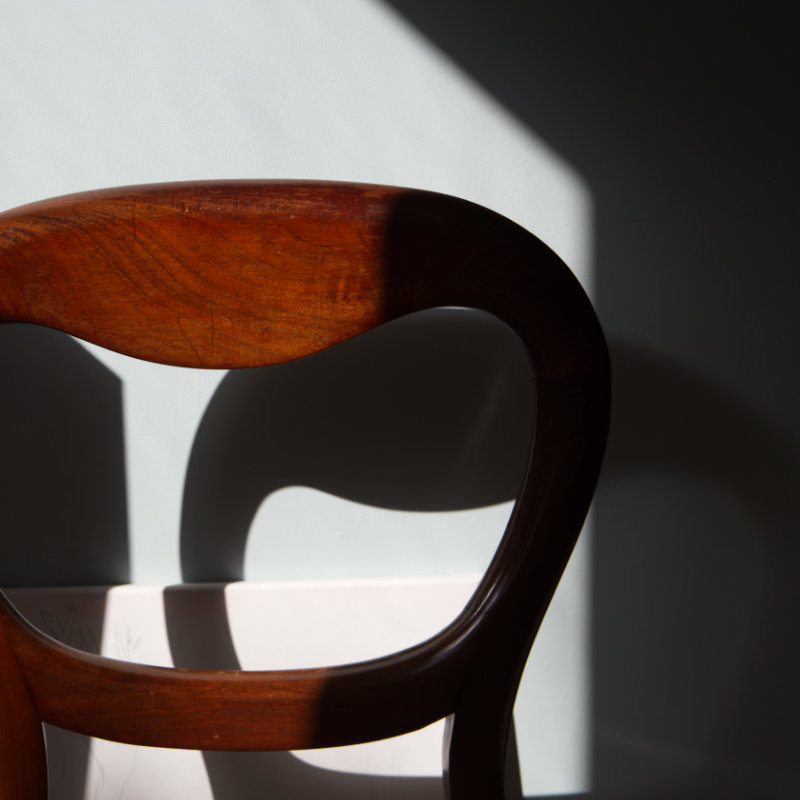
I paused several times today to look at light coming through a window and across a chair or down a wall, and I thought, “Should I take a picture of that?” I don’t know why I found it fascinating. I just know fascination isn’t captured by a camera, so I didn’t take a photo. Do you know what? Maybe I’ll try next time. That’s the point of these six months: to stop more.

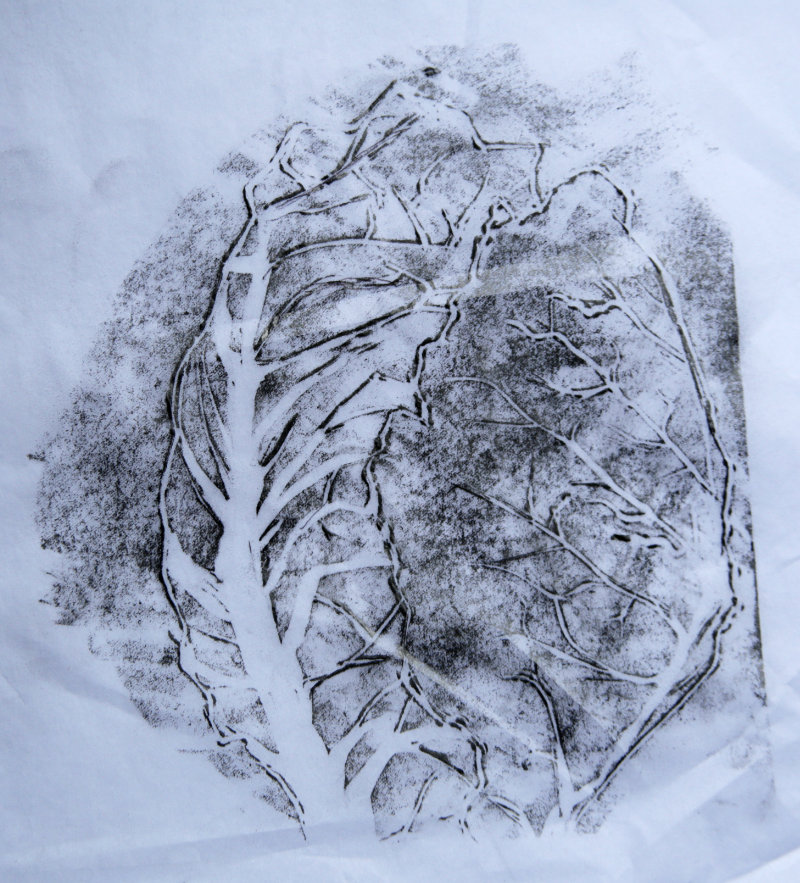
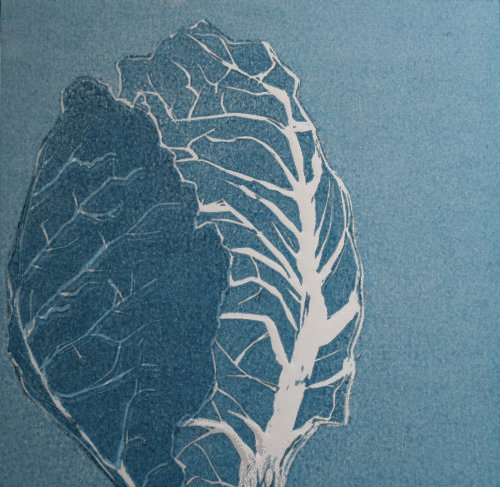
Incidentally, I found another cabbage picture today. It was a graphite rubbing of the linocut. It’s how you get a preview of a print: you put tracing paper over the linocut and rub it with a graphite stick, and then you’ll see if your lines are deep enough and in the right place. I like the image. I wonder if there’s some way you could do a rubbing of a photograph.

A rubbing of a linocut of a cabbage

Cabbage frenzy

It was the first day of my “Introduction to Printmaking” course today. I took a few black and white photos in, some by me and some by Edward Weston. The teacher gave us an introduction to linocut, and then said to me, “I think you should use one of your own photographs. The one of the cabbage will work well.” Here it is:

Photo of a cabbage

So she gave me a sheet of carbon paper so I could trace it onto the lino. I was a little taken aback because tracing felt like cheating. Shouldn’t I be drawing the cabbage? Then I was comforted by two thoughts. One, I was here to learn printmaking, not drawing, so I just needed an image to practice cutting lino and printing. Two, isn’t printmaking a mechanical means of production anyway? Tracing a photo means printmaking can fall between art and photography. It can be more selective and creative than photography, but not as free as art.
It can be arty, or course. You can draw anything you want as freely as you want on the lino, but I actually got interested in the relationship that printmaking can have with photography. I’ve felt for a while that photographs are a step on a journey, not an end-point. They’re not expressive or idiosyncratic enough for me. Most of my photographs feel like they need more work to make them interesting, more human intervention so they express how I experience what’s in front of me, and not just record what’s there.

Here’s the cut lino plate:

Photo of a cabbage carved into a lino plate

The photo was taken after the printmaking, so the residue of blue ink is still there. The original lino plate was white. One thing I never thought about was that if you cut text or a famous place, then you have to cut the image in reverse, so it will be right way round when you print it.

We tried a few hand-printed images, but I preferred the ones done by the presses. The hand-printed ones didn’t show the lines so well.

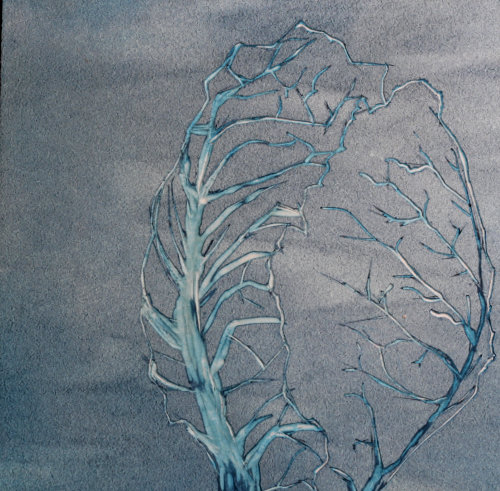
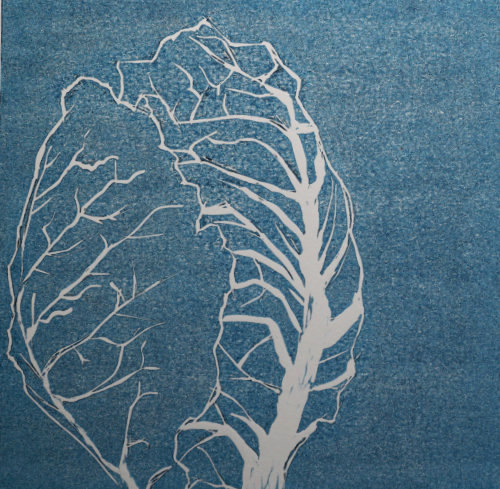
Here are a few prints from today:

In hindsight, I don’t think the cabbage was good image to choose. The lines of the lettuce veins are interesting, but the overall shape is dull. It’s just a shabby oval. Next time I’ll choose something with a more interesting form.

It was a fantastic day, and has made me think more about how to take photography on.

Fashion photos and onions

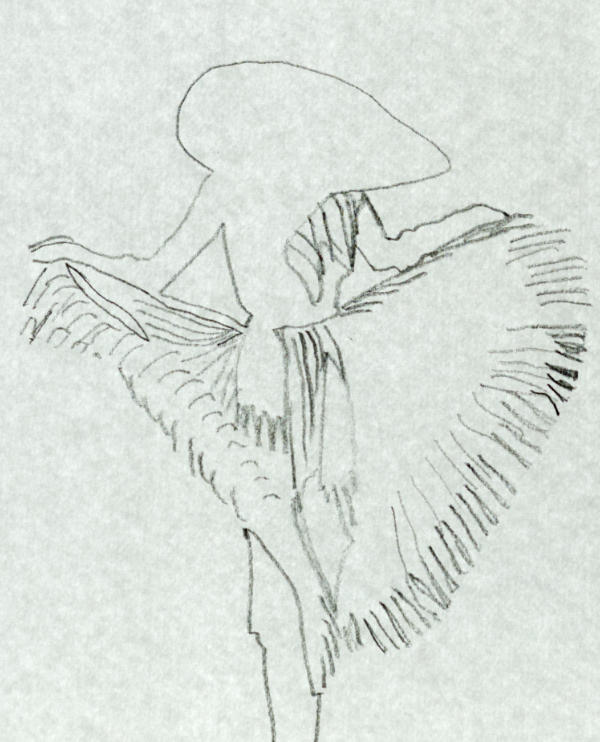
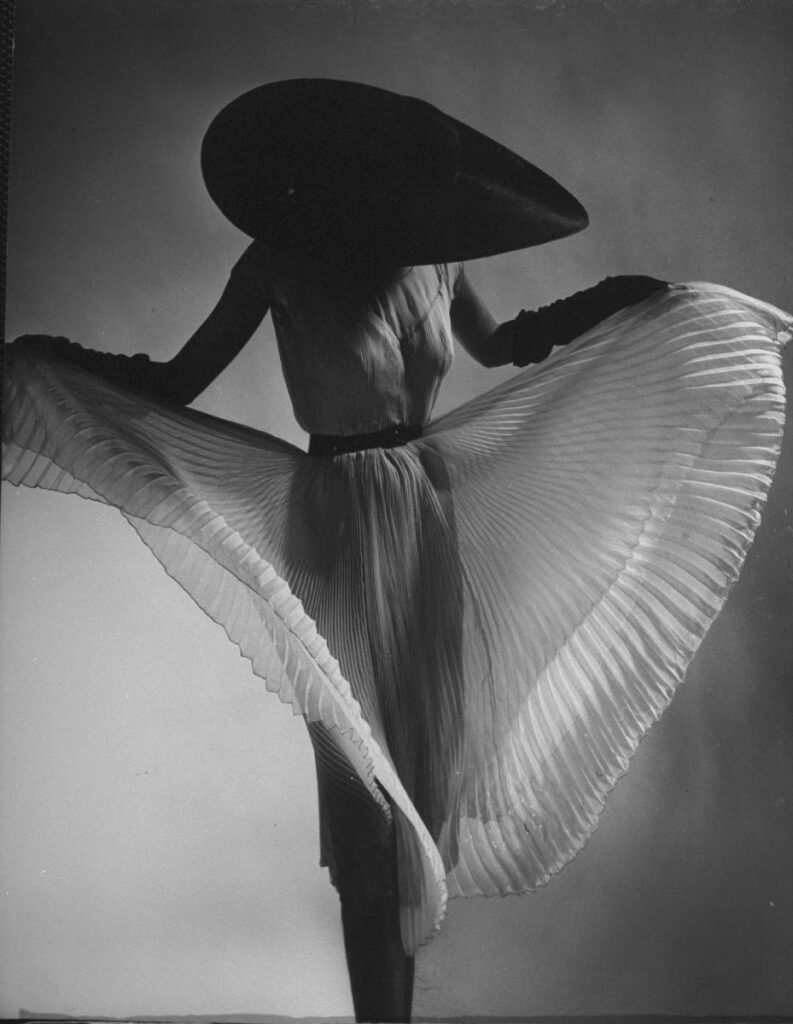
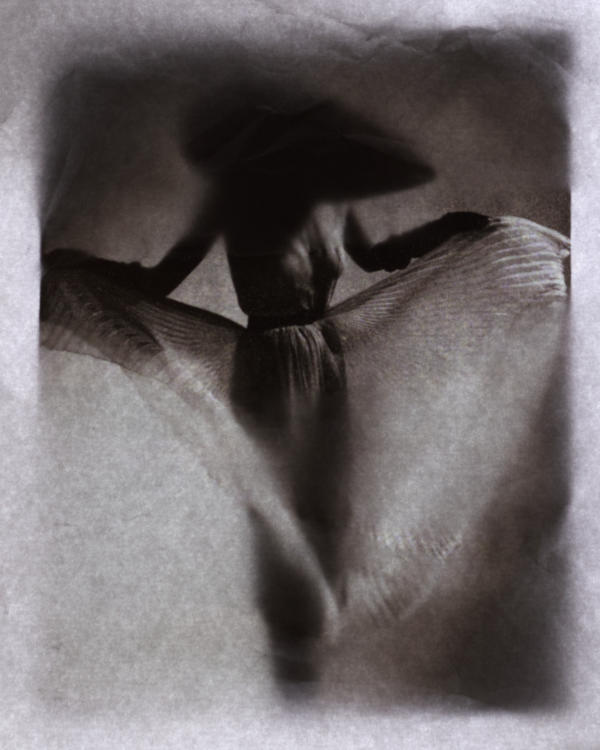
It’s the first day of my printmaking course tomorrow, and I need a picture to cut into lino and print. I haven’t done a linocut since I was at school, so I don’t know what sort of pictures work best. I considered using a classic fashion photo, like this one by Louise Dahl-Wolfe. I loved the lines on the dress, and thought they might work well in a linocut.

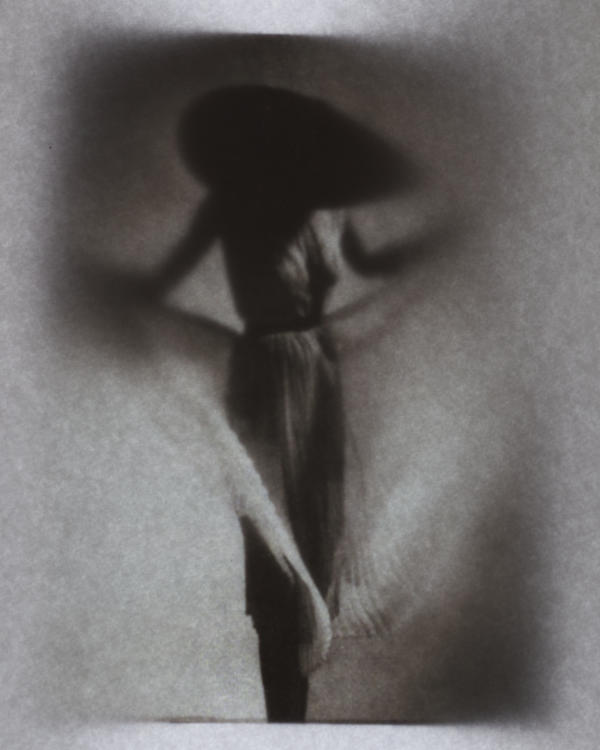
So I put the photo on my lightbox and traced a few lines, but then got confused: do I draw lines for the white bits or the dark bits? If the lines represent the bits to gouge out then it’s the white bits. I kept getting it wrong, though, and decided it wouldn’t work anyway. The hat would look like a strange, beak-shaped head. It’s a shame, because I think the dress might have worked.

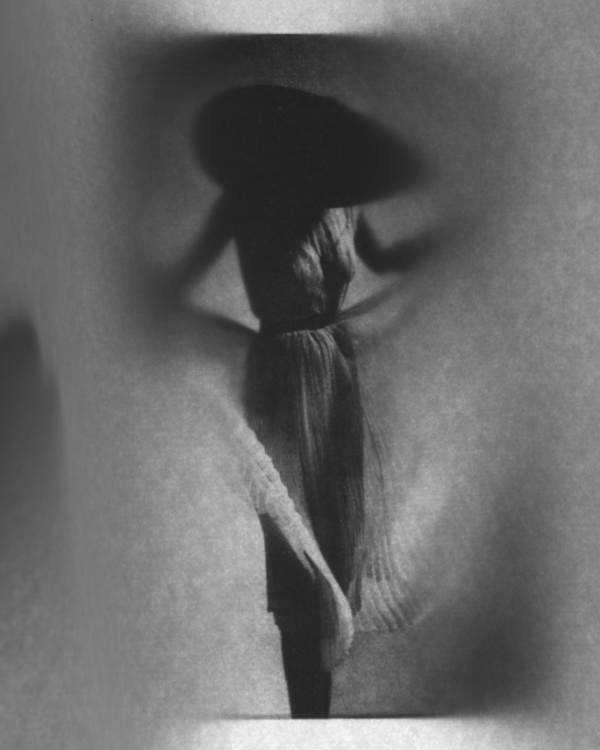
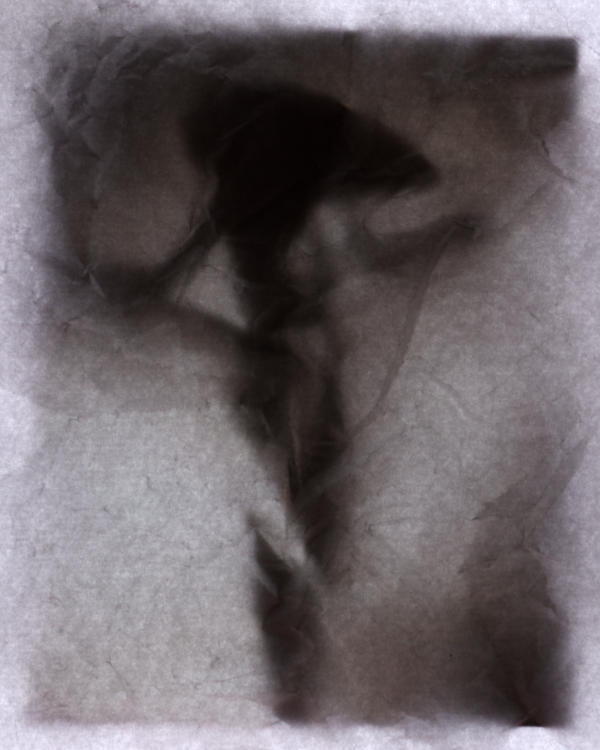
Then I realised that putting layout paper on the photo created some interesting effects. You could curve the paper to fade the photo in or out, crumple it to add texture, and glue it to key areas so that part shows through whilst the rest is distorted. You could also extend the picture by drawing on the layout paper or adding objects under it. I need to explore all this!

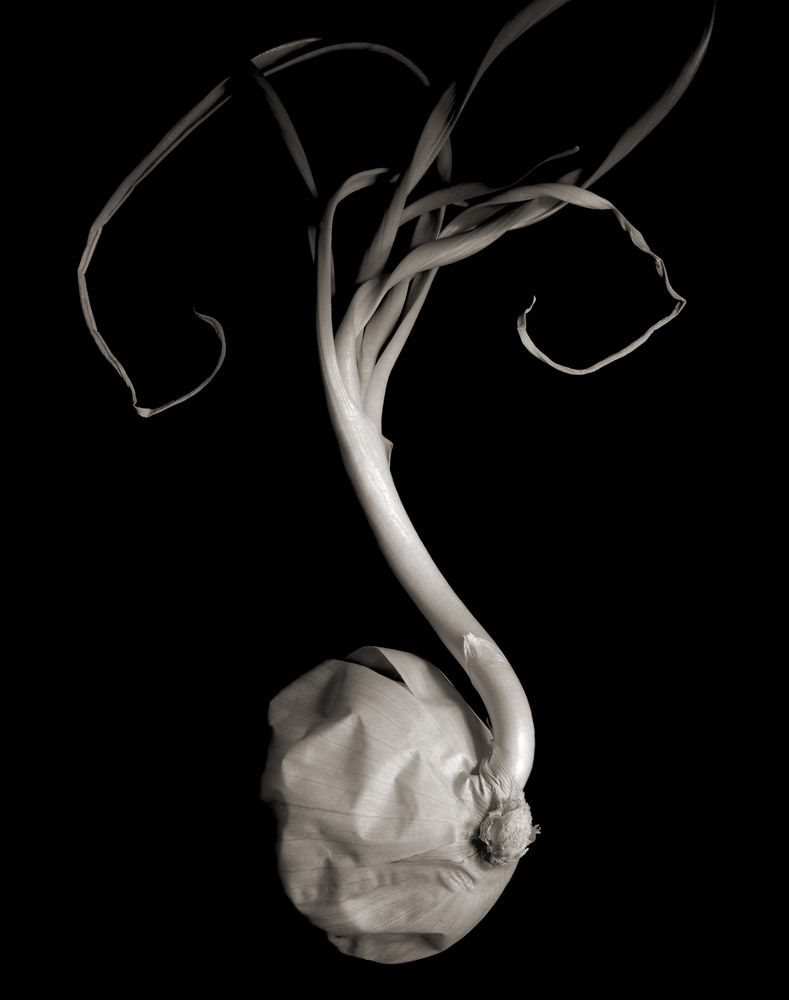
Anyway, tomorrow I’m going to print out other photos to try. Perhaps Edward Weston’s photo of a lettuce leaf, or his photo of an onion.

Edward Weston’s is the interesting one, on the left. I liked the straggly roots on my onions, though, so I might combine Weston’s leaves with my onion bulbs, into a fantastical onion chimera.

First trip to the Job Centre

My memory of Job Centres goes back to the 1980s, when I visited one in Darlington. I wanted a job for a few months before I went abroad. I’d just finished a degree in Psychology and the bloke said to me, “We’ve got a job as a roller-blind fitter. Is that any good?”

Job Centres have improved since those days, when each job was written on an index card and pinned on a board, and dispirited people browsed the rows of boards. I bowled up at the Cambridge “Jobcentre Plus” and there were no boards, and barely any people. An elderly lady with a clipboard greeted me at the reception.

I said, “Hello, I’ve come to see Penny at desk 47.”

She smiled like she was doing voluntary work. “Yes, what’s your surname? Just go upstairs and wait by her desk.”

I entered a long room with desks down either side, and sofas down the middle. Each desk had a glass partition separating it from the next, just high enough to hide someone sitting down. There were about 30 desks, but only five or six visitors were sitting at them, being counselled by their “job coach”. Desk Number 47 had a visitor, so I sat down to wait.

A man in a black polo shirt and combat trousers walked past. He had a walkie talkie pinned to his thigh pocket, so I guessed he was a security guard.

A couple of job coaches who didn’t have visitors chatted on the phone. “Hello, is that Shona? Hello, can I just ask you a question, so we know it’s you? Where were you born?”

The security guard walked past again and I thought, “Blimey, he must be busy”.

“Children are back at school, and they’re all okay? Good, good. And how do you feel about doing the next training slot? Level one. See how you feel. Absolutely.”

The security guard passed me again, and I realised he was walking round and round the room. I didn’t time him, but I’d say it took him about a minute to do a lap. On about his twentieth lap I noticed he had a sentence tattooed down his arm, which I guess must have read, “For god’s sake, someone stop me!”

A woman leaned out from behind a momitor and said, “Do you know who you’re seeing?”

“Yes, Penny at 12.40.”

The woman was in her fifties, and stout with a red face and white hair. She rose cautiously to her feet and lumbered across the room, with such a bad limp I wondered if she should be in hospital.

Penny was busy, but I had to sit on the sofa in front of her desk. “They change everything and don’t tell me!” Penny was saying. “Maybe I should have retired.”
Then it’s my turn, and indeed Penny was retirement age, plus she didn’t appear to have a skeleton. Her body looked like two sacks of old clothes piled on top of each other, one for her belly and the other for her boobs, and the whole thing wrapped in a black cardigan. A head was stuck on, but not well because it leaned forwards.

Or perhaps she was filled with water like an amoeba, and didn’t need a skeleton to keep her turgid. You just can’t work out the structure of some people.

Anyway, she was lovely and we had a happy conversation because neither of us were interested in finding me a job. She printed a National Insurance form out for me, and rose to collect it from the printer at the end of the room. In some consternation, I watched her haul herself up as painfully as her colleague had done, and limp just as agonisingly to the printer. I should have offered to get the form for her. Maybe next time. We’re meeting again at the end of the month.

I went back to the town centre feeling relieved, because I was worried I’d have to show proof I was looking for work. At least I don’t have to perform that charade.

I bought Madame de Lafeyette’s La Princess de Clève at the Oxfam charity shop, and tootled up to the Waterstones cafe to celebrate. As I sat there with my cappuccino and lemon drizzle cake, reading the introduction to my new book, I felt ridiculously privileged and happy.

I decided I’d sketch people before I went back home, but the rain closed in. I wandered around instead, and looked at people: a pretty young woman riding past on a bike, her face flushed and her skin smooth with youth; a Middle-Eastern looking woman with white foundation on her face and startling red lipstick; a small old man bent double, his trousers tucked into his socks, shuffling half a foot-length at a time and always looking at the floor; a South Asian woman pushing a pram with make up over her face that made her skin look purple; a skinny woman with lank white hair and a face mask, walking briskly past whilst muttering to an imaginary friend; a man with a bottle in his hand walking sideways with his arm in front of him, like he was edging through a crowd, but with no-one around him.

When I went for a piss in Lion’s Yard, there was a poster for the Samaritans in the toilet that said, “No matter what’s on your mind, we’re here to listen.” What’s on all these people’s minds? What do they think about when they’re alone at night?

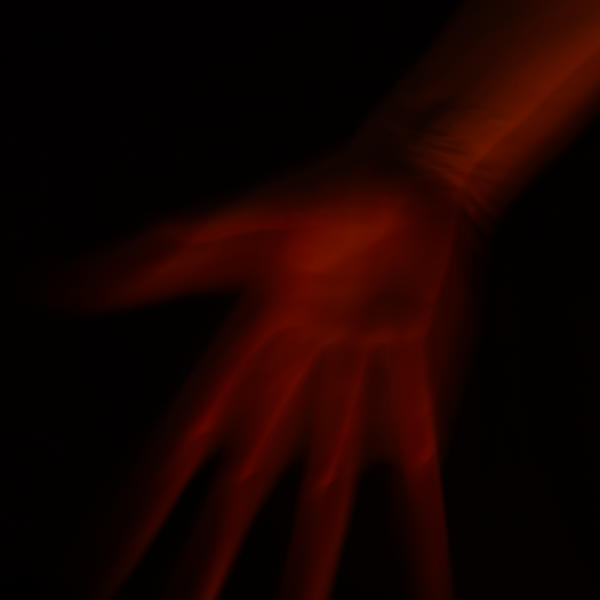
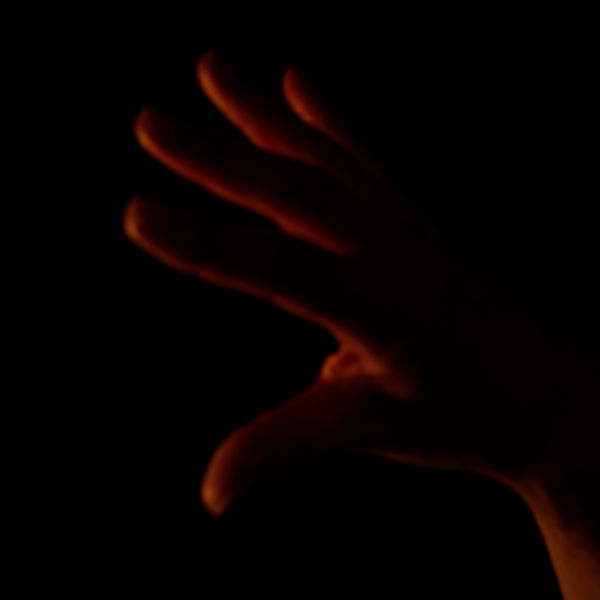
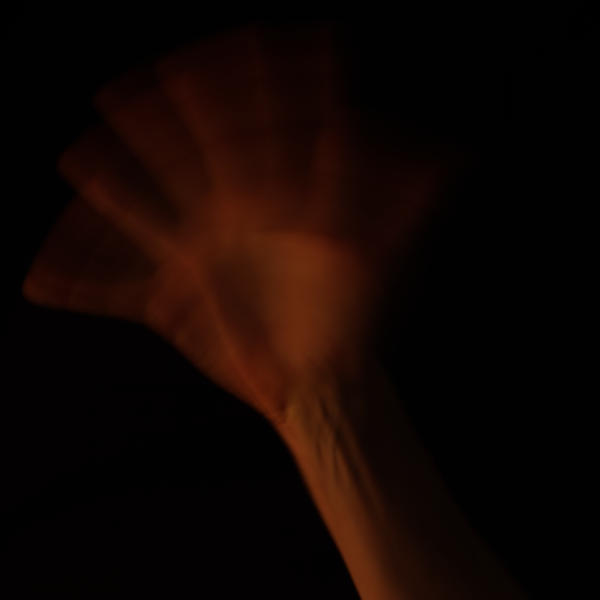
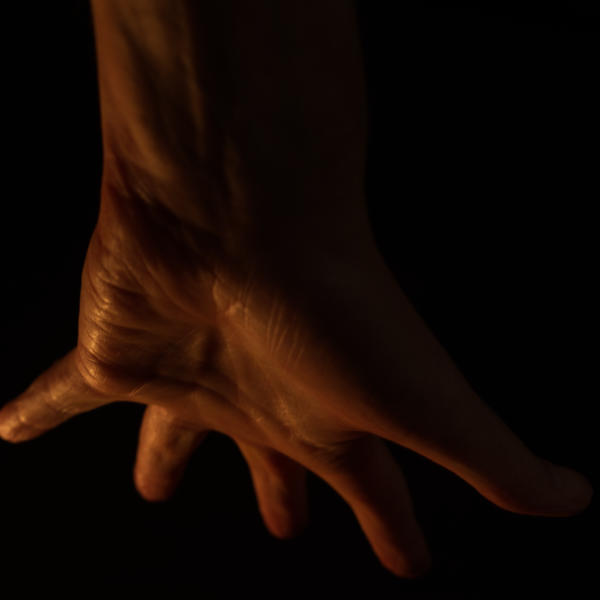
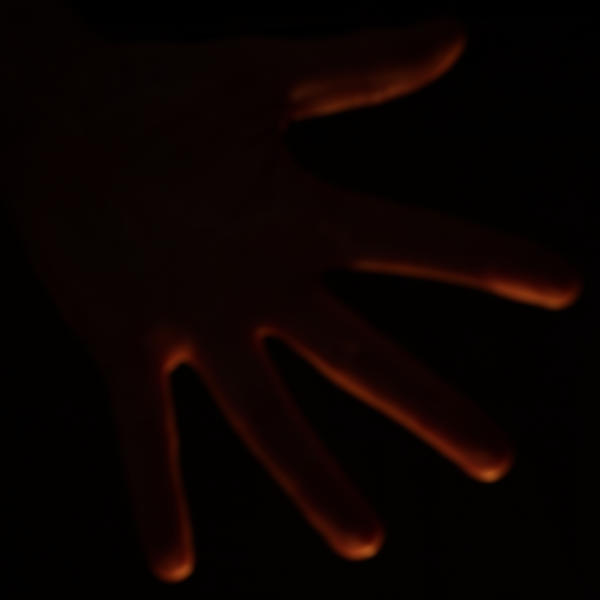
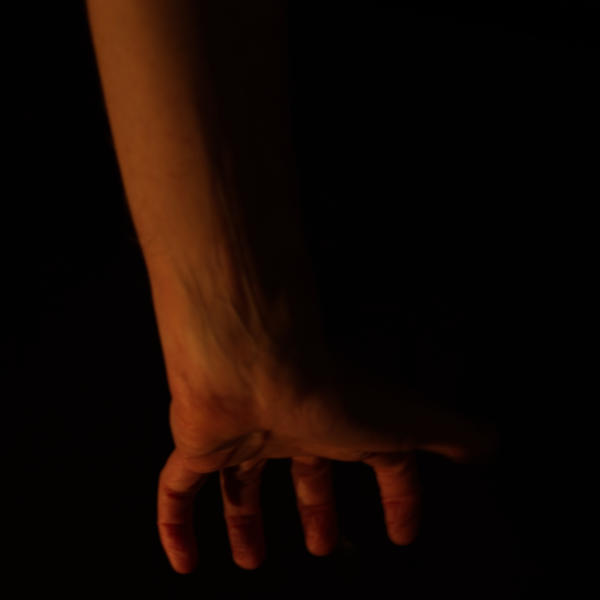
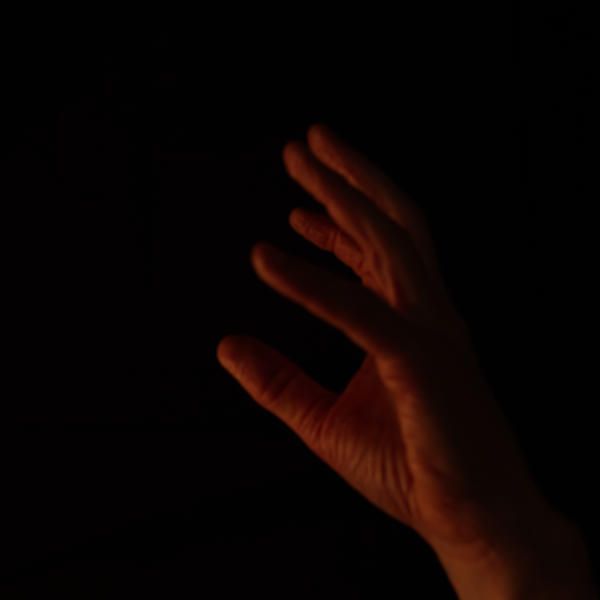
Tonight I took some photos of my hand by candlelight.

Stormy day

We had a thunderstorm today, with violent rain. As part of my “Stop to observe life” campaign, I wrote some notes whilst sitting at the back door. Here is an extract:

The patio is a frenzy of flickering circles where the drops spatter, percuss outwards and vanish. Rain scurries down in lines against the dark background of the fir tree. Lightning tremors and thunder rumbles like boulders tipped down a cliff. Water plitter-platters down from the leaking gutter. Leaves twitch and drip. Droplets tap on the window, nudge into each other, then streak down leaving a dissolving trail of water. I open the door and close my eyes. The air is cool, damp and roaring, like I’m standing next to a waterfall. Suddenly the sun emerges through the rain, and the droplets on the pine cones glimmer. The shadow of a bird crosses the lawn. The rain stills and the droplets shimmer down from the fir tree, iridescent like tinsel. As things quieten, I hear the washing machine whirr and clunk, and the downspout, which was blurting out water in spasms, now trickles a caressing lilt, like it was singing someone to sleep but couldn’t speak words. The leaves waver peacefully and a blackbird whistles and chirrups like a woodcut maker chiselling a new line in blank wood.

I don’t like how that sounds poetic. I’m not trying to be poetic, I’m trying to say what it was like to be there, but I don’t have the words. Perhaps I should say more about how I felt and what I thought, rather than just describe what’s around me.

I’ve written these sorts of notes since I was a teenager, by the way. I don’t know why – I’ve just felt like writing them. In the next six months I hope to work out why, and what to do with all these scraps of paper and notebooks I’ve amassed.

A wet leaf with yellow, red and brown patches
The rain brought out the colours of the dead leaves

I decided to make a website for my essays with a system called Astro. Luckily I found I’ve already started a site with Astro for another project, so I’ll just use that.

I got my old Takumar 55mm lens out. It was made in the early 1970s and gives a distinctive colour to photos. It seems to absorb light in a different way to other lenses, and produces warm and saturated colours. I didn’t believe that myself until I did a comparison with a modern lens, with no post processing.
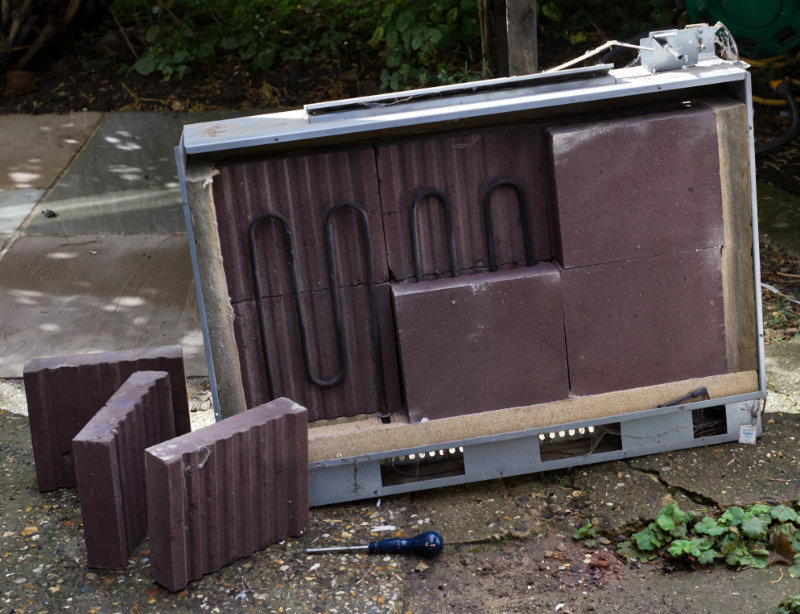
Here is an example. I took a storage heater apart this afternoon, and this is what it looked like inside:

A storage heater with its side taken off, showing heat bricks around a heating element

Notice the colours in the concrete in the bottom left of the picture, and the colour of the screwdriver. I haven’t increased the saturation of the image at all.

I need to start drawing. Photography is too quick, and records rather than expresses.
A dead leaf with green and brown patches
Another lovely leaf in the garden

The six months begin

Banjo the Cat
I began by eliminating the cat

My contract ended yesterday, so my six months with nothing to do begins today. Emotionally, though, I’ve already changed. I took my last two weeks off, and something odd happened. I got possessed by a spirit that compelled me to wake up at seven, do some yoga, eat healthily all day and work towards a purpose in life. That’s what I’ve been doing the last couple of weeks, and I don’t recognise myself.

It feels like someone else has taken over. Perhaps this is what happens when you have enough money, and when you have time in front of you. The person you’ve always wanted to be emerges and takes control. He knows what to do because, from deep in your subconscious, he’s been watching your thoughts and fantasies, and he’s worked out a plan.

It’s as if you’ve inherited a garden planted by an expert, but which the previous owners had neglected. It’s swamped with brambles and ivy, so you launch into it and hack it all back. Then flowers start appearing everywhere: some aconites under a bush, a rose in a hedge and irisis by a pond. It’s surprising, but they were always there. They just needed the space to flourish.

So yes, I was up early this morning and, completely without thinking, I put a day bag together. It contains all the things I need to go out and observe life. Here are the items:

  • My camera (Canon 6D) with 28-135mm zoom lens
  • A 40mm and a 100-200mm lens
  • Lens filters
  • Speedlight flash with batteries
  • Remote flash triggers with batteries
  • Mini tripod for the flash
  • Large tripod for the camera
  • Small light reflector
  • A hardback notebook for noting what I see, hear, smell etc
  • Some biros
  • A sketchbook (I’ll draw with the biros)

Later on, I’ll add some watercolours, brushes and a small pot for water.

In the afternoon I bought the domain for this website, and made it. Just like that. No research into technologies, like I used to do, and no squandering hours trying trendy systems that have thousands of dependencies that you have to cobble together like the parts of a prestigious, but frustratingly unreliable, vintage car.

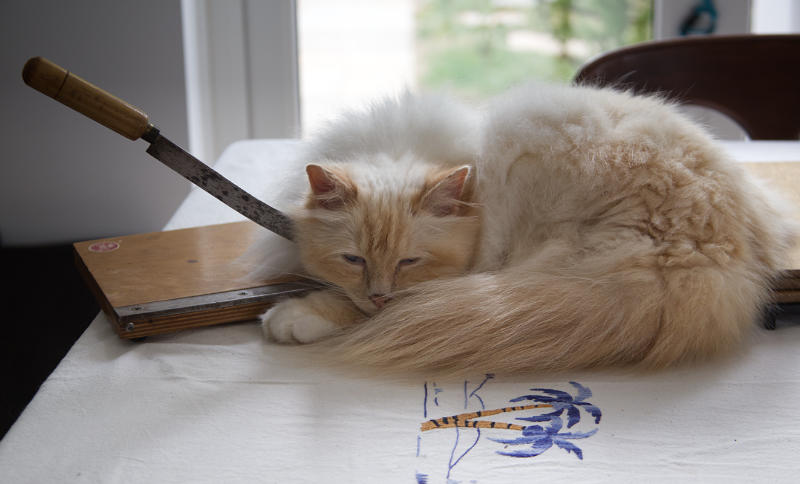
Tonight I meant to go out and take dramatic pictures of a withered tree with my flash, but it got late and I was too tired. Instead, I include a photo I took earlier, which shows that I have finally delivered myself from Banjo the Cat.